Gen Z spending habits in the UK reveal a unique and value-driven approach that’s reshaping the consumer landscape. Understanding these distinct purchasing behaviours is essential for brands, as priorities like authenticity, sustainability, and ethical practices influence Gen Z spending habits.
Unlike previous generations, they are highly discerning, often seeking brands that align with their social and environmental values. This shift means that traditional marketing tactics are no longer enough; brands must foster genuine connections to capture long-term loyalty from this demographic.
As Gen Z students and young adults continue to emerge as powerful consumer forces, creating loyalty early on can lead to lasting engagement. This blog will explore the nuances of Gen Z spending habits in the UK, examining their values and the strategic approaches brands can adopt to resonate with this influential group.
Understanding Gen Z’s Unique Spending Habits
Gen Z spending habits in the UK are characterised by value-driven shopping choices, setting them apart from previous generations. Raised during times of increased awareness around sustainability, social justice, and corporate responsibility, they prioritise brands that align with their values. This focus on value-driven Gen Z shopping habits often leads them to support brands known for ethical consumerism, such as companies with transparent supply chains, environmental initiatives, and inclusive practices.
For instance, many Gen Z consumers prefer brands that actively address issues like carbon footprint reduction and fair labour practices, making companies such as Patagonia and The Body Shop popular choices due to their environmental and ethical commitments.
In addition to values-based spending, technology and social media play significant roles in Gen Z’s purchasing journey. Platforms like TikTok and Instagram are not just for social interactions but have become essential spaces for discovering and researching products. UK Gen Z shoppers often rely on peer recommendations and influencer reviews, treating these endorsements as trustworthy sources of information. Influencers and content creators substantially impact Gen Z’s purchasing decisions, as they often bring authenticity that resonates with this demographic.
Brands effectively using these platforms, like Primark, leverage social media to build direct relationships with consumers, facilitating a level of interaction that traditional advertising cannot match.
Furthermore, authenticity and transparency are non-negotiable for Gen Z. This generation favours brands that are open about their practices, from product ingredients to sourcing and corporate ethics. They quickly dismiss brands that engage in “greenwashing” or insincere marketing.
In the UK, brands like Lush have thrived by maintaining open communication and transparency, especially around environmental and ethical concerns. For brands aiming to connect with this generation, demonstrating honesty and a commitment to positive impact is essential for building trust and loyalty.
Why Building Brand Loyalty with Gen Z is Essential
Investing in brand loyalty with Gen Z is critical due to the high lifetime value of early engagement. By establishing connections with Gen Z consumers while they are still in university, brands can foster long-term loyalty that extends well into adulthood. Gen Z spending habits strongly favour brands that resonate with their values, making early engagement crucial to securing future loyalty.
Building these connections early through strategic initiatives like sampling campaigns and campus events helps brands embed themselves in Gen Z’s lifestyle, making them the go-to choice as these consumers enter the workforce and increase their purchasing power. For example, tech companies and subscription services that offer discounted student plans, like Spotify and Apple, often convert Gen Z students into lifelong customers who are unlikely to switch brands later.
Several key factors drive brand loyalty among Gen Z, including:
- Alignment with brand values
- Interactive engagement
- Reward systems that acknowledge their loyalty.
Brands that foster a strong connection based on shared values see higher engagement levels and repeat purchases. This approach is evident with brands like Nike, which frequently engages Gen Z through social media challenges, environmentally-friendly product lines, and partnerships with Gen Z activists. These strategies resonate well with Gen Z’s desire for brands that reflect their values.
In addition, rewards programs designed specifically for Gen Z can significantly boost loyalty. This generation appreciates brands that recognise their loyalty through tangible benefits, such as exclusive discounts, early access to new products, and personalised offers. Brands that tailor loyalty programs to Gen Z’s preferences capture their attention and increase the likelihood of long-term customer retention.
How Brands Can Successfully Engage Gen Z on UK Campuses
Effectively engaging Gen Z on UK campuses requires a tailored approach that respects this generation’s preference for authenticity, meaningful experiences, and value-driven brands. To build lasting loyalty with university students, brands should consider a mix of direct interaction, peer influence, and content that aligns with Gen Z’s spending habits and values.
Effective Use of Student Sampling
Student sampling in the UK has proven to be a powerful tool for brands aiming to introduce products to Gen Z consumers in an impactful way. Sampling at universities allows brands to offer students a hands-on experience, creating memorable first impressions. When students try a product directly, they are more likely to form an emotional connection, increasing the chance of brand recall and future purchases.
This approach is particularly effective for brands in sectors like personal care, food, and tech, where students appreciate the opportunity to test products before committing financially. By providing free samples, brands can tangibly engage students, showing confidence in their products and sparking curiosity among a network of peers.
Partnering with Student Influencers and Ambassadors
Partnering with Gen Z student influencers and brand ambassadors is another highly effective strategy. Peer recommendations are significant for this demographic, making student ambassadors a credible channel for brand messages. When brands collaborate with university influencers, they benefit from a level of trust that is harder to achieve with traditional advertising.
For example, brands like Virgin Media have worked with university ambassadors to promote their products across campuses and social media, leveraging the ambassadors’ ability to create relatable and authentic content. This peer-led marketing approach resonates with students who are more likely to engage with brands their peers represent, resulting in increased brand visibility and credibility.
Crafting Value-Based and Relevant Content
To connect with Gen Z, brands must craft value-driven content that aligns with the generation’s values, such as sustainability, social justice, and mental health awareness. Content addressing these issues or highlighting relatable student experiences has a much higher chance of resonating with this audience.
For instance, brands could produce stories or videos about sustainable product practices or tips on managing university life and wellness. By focusing on values and creating content that is not only promotional but also educational or inspirational, brands can deepen their relationship with Gen Z, who value transparency and alignment with their beliefs.
Measuring the Success of Gen Z Engagement Strategies
To gauge the effectiveness of engagement strategies with Gen Z, brands need to track specific Gen Z engagement metrics. These metrics provide insights into whether campaigns successfully build brand loyalty and resonate with the audience.
Key Metrics to Track
Important metrics include social media engagement, such as likes, shares, comments, and follower growth, which indicate how well content resonates with Gen Z. Brands should also track repeat purchase rates and customer retention to understand the long-term impact of their efforts.
Additionally, monitoring brand sentiment through online reviews, social media comments, and direct feedback helps gauge overall perception and brand loyalty among students. By consistently measuring these metrics, brands can refine their strategies to align with Gen Z preferences, ensuring that their marketing initiatives effectively drive engagement and foster lasting loyalty.
Conclusion
Understanding Gen Z spending habits in the UK is essential for brands aiming to foster long-term loyalty within this influential demographic. By aligning with Gen Z values, like sustainability, authenticity, and ethical practices, brands can create strong, lasting connections with young consumers.
Strategies such as student sampling, collaborations with student influencers, and value-driven content can be particularly effective for companies wanting to connect deeply on UK campuses.
Partnering with DigIn can help brands effectively reach and engage Gen Z meaningfully. DigIn offers tailored, student-focused campaigns that resonate with Gen Z values, making it easier for brands to build a presence that feels authentic and relevant. To explore how your brand can connect with this generation through strategic campus engagement, contact Dig In and start building loyalty today.
Recent Posts
7 October 2026
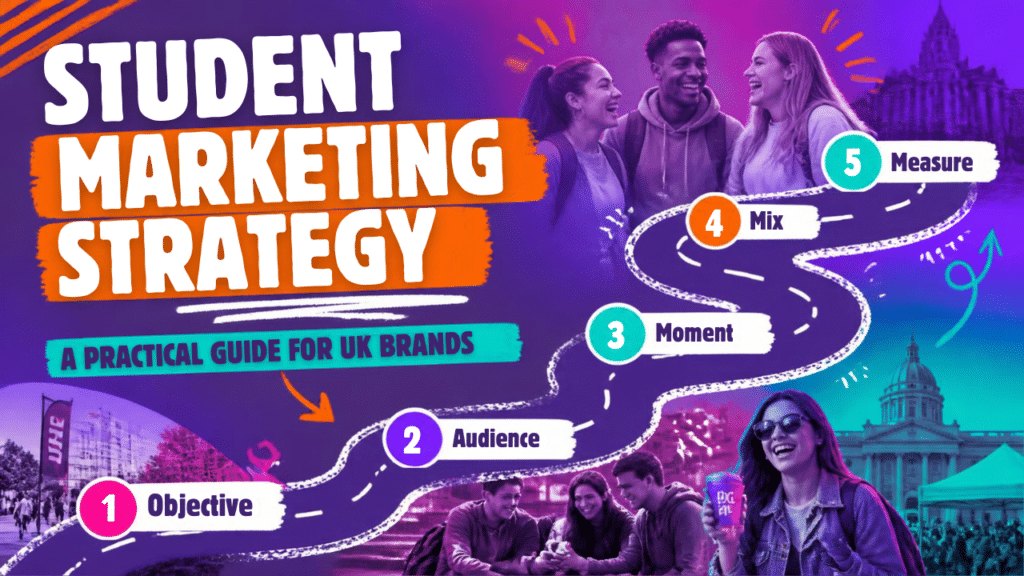
Student Marketing Strategy: 5 Proven Steps to Win Gen Z (2026 Guide)

1 October 2026
How Product Sampling Campaigns Work and What Makes Them Convert

24 September 2026
What Is Product Sampling Marketing? Benefits, Formats and Examples

3 September 2026
Campus Marketing Statistics: UK Data, Trends and Benchmarks

27 August 2026
Student Engagement Statistics
