Creating meaningful student interactions is essential in fostering lasting relationships between brands and the influential student demographic. In today’s fast-paced and competitive environment, students are looking for brands that resonate with their values, lifestyle, and personal preferences. Brands that can effectively communicate in a personalised, relevant, and impactful way will naturally enhance engagement with students and build lasting loyalty.
Through creative student sampling campaigns, DigIn empowers brands to engage students in authentic and tailored ways. This approach goes beyond traditional marketing techniques by focusing on building student relationships rooted in shared values and genuine experiences.
By creating meaningful student interactions, brands can leave a lasting impression that transforms students into lifelong advocates. This blog explores how personalisation and impactful communication can significantly improve student engagement and drive long-term brand loyalty.
Understanding Student Needs and Preferences
Understanding students’ unique needs and preferences is crucial to creating meaningful student interactions. Each student cohort brings distinct behaviours, desires, and challenges that brands must cater to. At DigIn, we believe the first step in creating meaningful student interactions and building student relationships is developing a deep understanding of what motivates students. By personalising interactions to align with these insights, brands can create stronger connections and foster lasting loyalty.
Understanding these needs means diving into qualitative and quantitative data to get a holistic picture of student preferences. Whether through surveys, focus groups, or digital analytics, gathering information on what students value, how they engage with content, and what drives their purchasing decisions is essential. When brands tap into this knowledge, they are better positioned to craft personal and relevant campaigns, thus creating meaningful student interactions and enhancing student engagement.
Analysing Behavioural Patterns
Analysing student behavioural patterns offers rich insights into how they interact with brands and what content resonates with them. By tracking trends in their online activity, from social media habits to purchasing behaviours, brands can identify patterns that allow for more personalised student interactions. This data-driven approach helps tailor campaigns that feel more authentic and appealing to students, significantly increasing the chance of meaningful engagement.
Leveraging Student Feedback
Student feedback is invaluable for fine-tuning marketing strategies. Actively seeking student input. Whether through surveys, comment sections, or follow-up questionnaires, this ensures that brands stay aligned with actual student needs.
This feedback loop helps brands adjust their messaging and creates a sense of inclusion, making students feel heard and valued, further creating meaningful student interactions and building student relationships.
Strategies for Personalising Student Interactions
Personalising interactions with students is vital for enhancing engagement and fostering strong relationships. In a diverse and dynamic student population, one-size-fits-all approaches rarely work.
Instead, effective personalisation can help your brand stand out, ensuring your messaging resonates more deeply with each student segment. At DigIn, we focus on crafting tailored strategies that speak directly to students’ unique needs, preferences, and behaviours, fostering more meaningful connections.
Segmenting Student Audiences
Segmenting student audiences is a fundamental strategy for personalising interactions. By dividing students into specific groups based on demographics, behaviours, and preferences, brands can craft customised messages that resonate more deeply with each segment.
For instance, a first-year student may respond differently to a campaign than a final-year student, requiring tailored approaches to meet their unique needs. Segmenting allows for creating meaningful student interactions by acknowledging these differences and addressing each group with relevant and personal messages.
Creating Relevant Content for Creating Meaningful Student Interactions
Once audiences are segmented, the next step is to create content that speaks directly to their interests and needs. Students are more likely to engage with content specifically designed for their demographic or stage of university life.
For instance, content tailored to help freshmen adjust to university life will resonate more with them than generic content. Creating meaningful student interactions requires knowing the audience and delivering content that feels directly relevant to them.
Utilising Technology for Personalisation
Technology is a powerful tool for scaling personalisation. CRM systems and AI-driven platforms can track student interactions and preferences, allowing brands to deliver highly personalised experiences at scale.
From personalised emails to AI-driven chatbots, leveraging technology enables brands to craft interactions that feel personal, even in large-scale campaigns. These tools help brands stay connected with students, enhancing engagement with students through personalised experiences that build stronger, lasting relationships.
Enhancing Engagement Through Innovative Channels
Innovative communication channels are crucial for brands aiming to engage the student demographic effectively. By leveraging the right platforms and interactive tools, brands can create dynamic and impactful experiences that capture students’ attention and build lasting relationships.
At DigIn, we prioritise using modern communication channels to ensure we are creating meaningful student interactions that resonate with today’s tech-savvy students.
Digital Platforms for Interaction
Digital platforms, such as social media and mobile apps, are invaluable for creating dynamic and direct interactions with students. Platforms like Instagram, TikTok, and Snapchat are not just social networks but essential tools for engagement, where students expect real-time, relevant content.
Through targeted ads, influencer collaborations, and interactive features like polls or stories, brands can create enhancing engagement with students by meeting them where they are most active. Apps can also be utilised for in-feed ads or push notifications that keep students engaged with the brand.
Interactive Events and Webinars
Interactive events, whether virtual or in-person, are another powerful tool for student engagement. Webinars allow brands to provide valuable content while engaging students in real-time discussions, questions, and polls.
On-campus events like workshops, product demonstrations, or digital webinars can create building student relationships through active participation and live engagement. These experiences leave a lasting impression, making the brand more memorable.
Gamification Techniques
Gamification incorporates game-like elements, such as point systems, rewards, or challenges, into brand interactions to significantly boost student participation and interest. Incorporating gamification into digital platforms or events turns passive engagement into active, playful experiences. Creating meaningful student interactions through gamification allows brands to engage students more dynamically.
Whether it’s through app-based games, reward systems, or competition-based marketing, gamification can transform personalising student interactions into more engaging and enjoyable experiences, encouraging repeated participation and increasing brand loyalty.
Measuring the Impact of Meaningful Interactions
To continuously improve strategies for creating meaningful student interactions, it’s essential to measure their effectiveness. Evaluating interaction strategies provides insights into what resonates with students and allows brands to make data-driven adjustments that enhance engagement and relationship-building efforts.
At DigIn, we employ key metrics and continuous feedback to ensure that our strategies remain relevant and impactful.
Key Performance Indicators
Key performance indicators (KPIs) are critical for measuring the success of interaction strategies. These metrics include engagement rates, response times, conversion rates, and overall satisfaction scores.
Monitoring how students interact with the brand, whether through digital platforms, event participation, or feedback forms, offers valuable insights into how well the strategies are working and where improvements can be made.
Continuous Feedback Loop
A continuous feedback loop ensures that real-time data from students informs future strategies. By collecting feedback through surveys, social media polls, or direct interactions, brands can better understand evolving student preferences.
This ongoing feedback helps adjust tactics, ensuring that interactions remain personalised and engaging over time. Refining interaction strategies based on this data leads to stronger, more meaningful connections with students.
Conclusion
Creating meaningful student interactions is essential for building lasting relationships and enhancing engagement. By understanding student needs, personalising interactions, and leveraging innovative communication channels, brands can foster deep, lasting connections with this dynamic demographic.
Continuous measurement and improvement of interaction strategies will ensure relevance and effectiveness. To elevate your student marketing efforts, consider partnering with DigIn. Our tailored approach to student sampling and engagement ensures your brand resonates with students in a meaningful and lasting way. Contact us today to start building those connections!
Recent Posts
7 October 2026
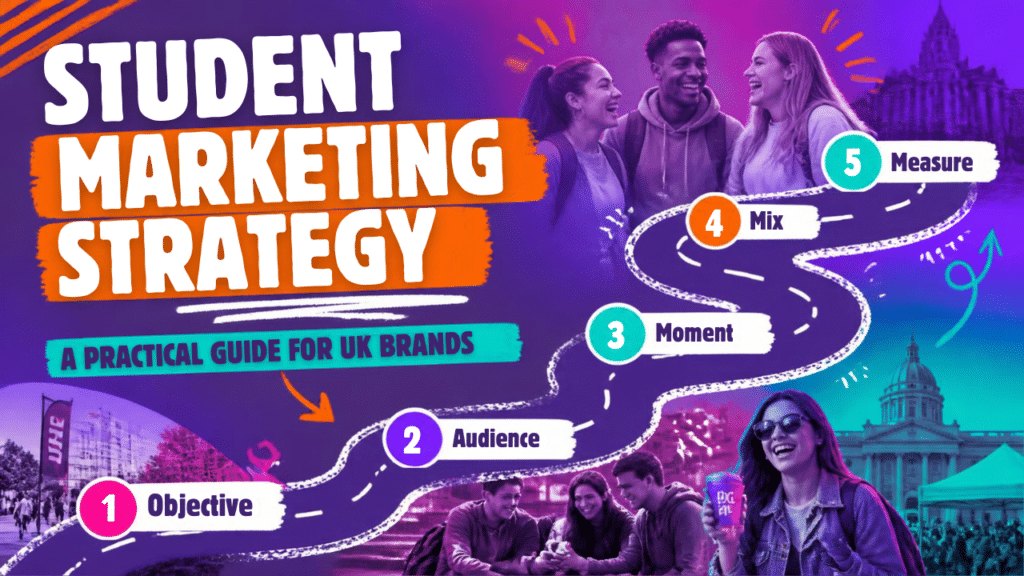
Student Marketing Strategy: 5 Proven Steps to Win Gen Z (2026 Guide)

1 October 2026
How Product Sampling Campaigns Work and What Makes Them Convert

24 September 2026
What Is Product Sampling Marketing? Benefits, Formats and Examples

3 September 2026
Campus Marketing Statistics: UK Data, Trends and Benchmarks

27 August 2026
Student Engagement Statistics
