Student sampling for brand loyalty has emerged as a powerful strategy for businesses aiming to connect with the highly influential student demographic. By offering students the opportunity to experience products firsthand, brands can create lasting impressions with samples and cultivate loyalty from a young age. This approach builds immediate awareness and lays the groundwork for long-term customer relationships.
In this blog, we’ll explore how student sampling can be a gateway to brand loyalty, providing insights into how DigIn effectively uses this strategy to build enduring connections with students. From creating impactful experiences to measuring the long-term effects, we’ll explore how brands can leverage student sampling to foster deep loyalty and turn first-time users into lifelong advocates.
The Psychology Behind Student Sampling
Student sampling for brand loyalty is a powerful tool for building brand loyalty because it taps into key psychological principles influencing consumer behaviour. Product sampling provides a unique opportunity to make a memorable impact for students, who are often more open to new experiences and forming brand loyalties.
Immediate Gratification
One of the primary reasons Student sampling for brand loyalty is so effective is the immediate gratification it provides. When students receive a product sample, they experience the satisfaction of instant ownership, which positively influences their perception of the brand. This immediate reward creates a favourable first impression, which can be the first step toward long-term brand loyalty.
Perceived Value
Offering free samples also enhances the perceived value of the brand. When students receive something for free, it can create a sense of reciprocity, where they feel more inclined to engage with and support the brand. Additionally, sampling allows students to assess the quality and relevance of the product firsthand, which can lead to stronger emotional connections and, ultimately, greater brand loyalty.
Student Sampling for Brand Loyalty: Effective Strategies
Implementing successful student sampling for brand loyalty campaigns requires strategic planning and execution to maximise impact. By focusing on targeted distribution, engaging experiences, and effective follow-up, brands can transform sampling efforts into lasting brand loyalty.
Targeted Distribution
The success of a student sampling for brand loyalty campaign largely depends on where and how samples are distributed.
Targeting environments where students are most active, such as university campuses, student events, and online platforms, ensures that samples reach the right audience. Timing is also crucial; distributing samples at the start of the academic year or during key events can increase visibility and engagement. By focusing on these hotspots, brands can efficiently connect with students who are likely to become loyal customers.
Engagement Opportunities
Beyond simple distribution, creating interactive experiences around sampling can significantly enhance student engagement.
Brands can set up booths at campus events where students can participate in games, contests, or other activities in exchange for samples. This interactive approach makes the sampling experience more memorable and allows brands to gather valuable student feedback and insights. Creating these engagement opportunities helps form a stronger emotional connection with the brand, which is crucial for building long-term loyalty.
Follow-Up Tactics
After distributing samples, follow-up is essential to convert trial users into loyal customers. This can be achieved through personalised emails, exclusive discounts, or invitations to join loyalty programs.
Encouraging students to share their experiences on social media or participate in online reviews can further amplify the campaign’s reach. Consistent follow-up keeps the brand top-of-mind and reinforces the initial positive experience, making it more likely for students to continue choosing the brand in the future.
Case Studies of Successful Student Sampling
Real-world examples provide powerful insights into the effectiveness of student sampling for brand loyalty. By examining these cases, we can identify the strategies that made them successful and how they can be replicated.
Innovative Campaign Examples
One standout example of effective student sampling is the long-standing partnership between DigIn and Giffgaff, where millions of SIM cards were delivered to new students across the UK, helping Giffgaff acquire over 100,000 new customers.
Another success story is DigIn’s campaign with Hellmann’s Vegan Mayo, which reached students through targeted sampling and led to 57,000 re-purchases. Additionally, DigIn’s campaign for Pepsi MAX resulted in 61% of students being more likely to buy the product again, with 42% choosing it over their usual cola brand. These campaigns highlight the power of student sampling in building brand loyalty and driving repeat purchases.
Key Success Factors
The success of these campaigns hinged on a few key factors: precise targeting, creating memorable interactions, and timely follow-up. Both campaigns focused on reaching students where they are most active, such as on campuses and in student housing.
They also emphasised the importance of follow-up, using surveys and social media engagement to reinforce the brand’s presence. These strategies ensured that the sampling efforts translated into long-term brand loyalty, offering valuable lessons for other brands looking to implement similar initiatives.
Measuring the Impact of Sampling on Brand Loyalty
To effectively evaluate how student sampling for brand loyalty influences overall brand loyalty, measuring specific metrics and using analytical tools that provide clear insights into the campaign’s success is essential.
Key Metrics
Key metrics to track include repeat purchase rates, engagement levels post-sampling, and brand recall among students. Additionally, monitoring social media mentions, website traffic, and survey feedback can provide a comprehensive view of the campaign’s impact on brand loyalty.
Analytical Tools
Tools such as Google Analytics, customer relationship management (CRM) systems, and specialised sampling platforms are invaluable to analyse these metrics. These tools help assess the ROI of sampling initiatives by offering detailed reports on student engagement and conversion rates, allowing brands to fine-tune future strategies for even greater impact.
Conclusion
Student sampling holds significant potential in fostering brand loyalty, transforming initial interactions into long-term customer relationships. By directly engaging students with tailored sampling campaigns, brands can create memorable experiences that resonate with this influential demographic. This strategy builds immediate recognition and cultivates enduring loyalty by connecting with students’ preferences and values.
To truly maximise these benefits, partnering with experts like DigIn can make all the difference. DigIn specialises in helping brands reach university students through innovative sampling campaigns that drive lasting success. Contact DigIn to elevate your student marketing strategy for brand loyalty.
Recent Posts
7 October 2026
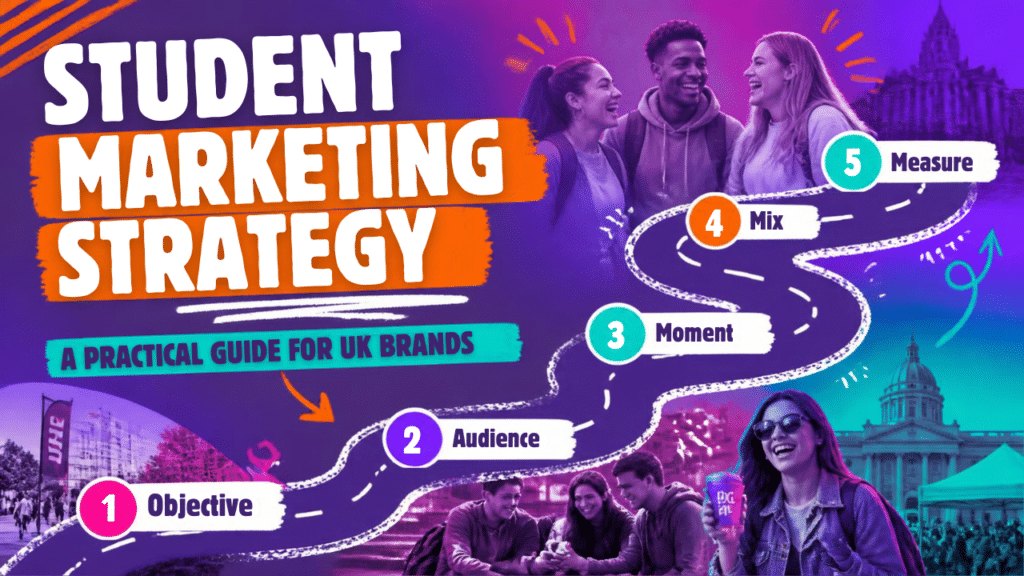
Student Marketing Strategy: 5 Proven Steps to Win Gen Z (2026 Guide)

1 October 2026
How Product Sampling Campaigns Work and What Makes Them Convert

24 September 2026
What Is Product Sampling Marketing? Benefits, Formats and Examples

3 September 2026
Campus Marketing Statistics: UK Data, Trends and Benchmarks

27 August 2026
Student Engagement Statistics
